


Conservative management of kidney diseases
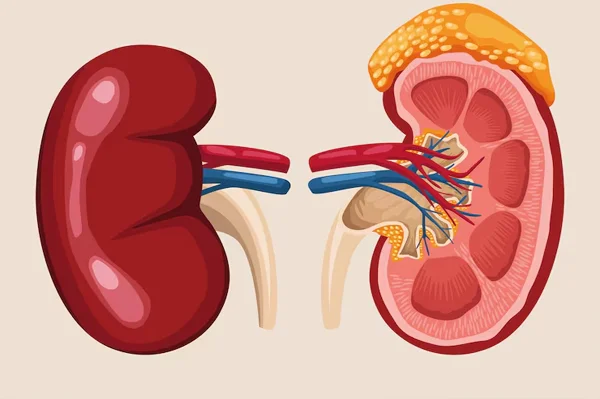
Conservative management of kidney diseases
Kidneys play a vital role in maintaining overall health by filtering waste products, balancing body fluids, regulating blood pressure, and producing essential hormones. When kidney function becomes impaired, it can affect multiple organs and lead to serious health complications. Early diagnosis and appropriate treatment are crucial to slowing disease progression and preserving kidney function.
Conservative management of kidney diseases is a comprehensive, non-surgical approach that focuses on controlling symptoms, treating underlying causes, preventing complications, and improving quality of life. It is especially beneficial for patients with early and moderate stages of kidney disease, helping them avoid or delay the need for dialysis or kidney transplantation.
At Dr. Mayank's clinic in Anand Vihar, patients receive individualized treatment plans tailored to their medical condition, lifestyle, and stage of kidney disease. Through medications, dietary modifications, blood pressure control, and regular monitoring, the goal is to protect kidney function and support long-term health.
What Is Conservative Management of Kidney Diseases?
Conservative management refers to the medical and lifestyle-based treatment of kidney diseases without surgical intervention or dialysis. The treatment aims to:
- Slow the progression of kidney disease
- Preserve remaining kidney function
- Control blood pressure
- Reduce protein loss in urine
- Manage symptoms and complications
- Improve overall quality of life
- Delay the need for dialysis or transplant
The management plan is personalized according to the patient's diagnosis, kidney function, associated medical conditions, and individual health goals.
Common Kidney Diseases Managed Conservatively
Several kidney disorders can be effectively managed with conservative treatment, including:
- Chronic Kidney Disease (CKD)
- Proteinuria (Protein in Urine)
- Nephrotic Syndrome
- Glomerulonephritis
- Diabetic Kidney Disease
- Hypertensive Kidney Disease
- Lupus Nephritis
- IgA Nephropathy
- Kidney Inflammation
- Recurrent Kidney Infections
- Early-stage Kidney Failure
Early intervention can significantly improve outcomes and help preserve kidney function for many years.
Symptoms of Kidney Diseases
Kidney diseases often develop gradually, and symptoms may not appear until the disease has progressed.
Common symptoms include:
- Swelling of feet, ankles, or face
- Fatigue and weakness
- High blood pressure
- Changes in urination
- Foamy urine
- Blood in urine
- Loss of appetite
- Nausea and vomiting
- Persistent itching
- Shortness of breath
- Difficulty concentrating
- Muscle cramps
If you experience these symptoms, timely medical evaluation is essential for proper diagnosis and treatment.
Causes and Risk Factors
Several factors can increase the risk of developing kidney disease, including:
- Diabetes
- High blood pressure
- Autoimmune diseases
- Family history of kidney disorders
- Obesity
- Smoking
- High cholesterol
- Recurrent urinary tract infections
- Long-term use of certain medications
- Kidney stones
Managing these risk factors plays an important role in preventing kidney damage and slowing disease progression.
Components of Conservative Kidney Disease Management
1. Detailed Medical Evaluation
The first step involves a comprehensive assessment of kidney health through:
- Medical history
- Physical examination
- Blood tests
- Urine analysis
- Kidney function tests
- Ultrasound or imaging studies if required
- Blood pressure evaluation
This assessment helps determine the cause and severity of kidney disease and guides treatment planning.
2. Blood Pressure Control
High blood pressure is both a cause and a consequence of kidney disease. Proper blood pressure management is essential to protect kidney function.
Treatment may include:
- Lifestyle modifications
- Salt restriction
- Regular exercise
- Weight management
- Appropriate medications
- Regular monitoring
Maintaining optimal blood pressure can significantly slow the progression of kidney disease.
3. Management of Diabetes
Diabetes is one of the leading causes of kidney damage. Effective blood sugar control is an essential component of kidney disease management.
Treatment strategies include:
- Dietary counseling
- Regular blood sugar monitoring
- Medication optimization
- Lifestyle modifications
- Weight management
Proper diabetes management helps reduce further kidney injury and associated complications.
4. Nutritional and Dietary Counseling
Diet plays a major role in maintaining kidney health. A personalized dietary plan helps reduce the workload on the kidneys and manage symptoms effectively.
Dietary recommendations may include:
- Controlled salt intake
- Balanced protein consumption
- Limiting processed foods
- Managing potassium and phosphorus levels
- Adequate hydration
- Healthy weight maintenance
Dietary plans are customized according to the patient's stage of kidney disease and nutritional requirements.
5. Medication Management
Medications are prescribed to:
- Control blood pressure
- Reduce protein loss in urine
- Manage swelling
- Correct anemia
- Control cholesterol levels
- Treat underlying inflammatory conditions
Regular follow-up helps monitor medication effectiveness and minimize side effects.
6. Lifestyle Modifications
Healthy lifestyle habits are important for protecting kidney function.
Patients are advised to:
- Follow a balanced diet
- Maintain a healthy weight
- Exercise regularly
- Avoid smoking
- Limit alcohol intake
- Manage stress
- Get adequate sleep
Lifestyle changes contribute significantly to long-term kidney health.
7. Regular Monitoring
Kidney diseases require ongoing follow-up to assess disease progression and adjust treatment as needed.
Monitoring typically includes:
- Kidney function tests
- Blood pressure measurements
- Urine protein analysis
- Blood sugar monitoring
- Weight assessment
- Evaluation for complications
Early detection of changes allows timely intervention and better disease control.
Benefits of Conservative Management
Preserves Kidney Function
Early treatment helps maintain remaining kidney function and slow disease progression.
Delays Dialysis
Conservative management can postpone the need for dialysis or kidney transplantation in many patients.
Improves Quality of Life
Patients experience better symptom control, improved energy levels, and enhanced overall well-being.
Reduces Complications
Regular monitoring and preventive care help minimize complications such as anemia, hypertension, and cardiovascular disease.
Personalized Treatment
Every patient receives an individualized plan based on their medical condition and health goals.
Importance of Early Diagnosis
Many kidney diseases progress silently and may remain undetected until significant damage has occurred.
Early diagnosis offers several advantages:
- Better preservation of kidney function
- Reduced risk of complications
- More treatment options
- Improved long-term outcomes
- Enhanced quality of life
Routine health check-ups and timely medical consultation are essential, especially for individuals with diabetes, hypertension, or a family history of kidney disease.
Why Choose Dr. Mayank for Conservative Management of Kidney Diseases in Anand Vihar?
Dr. Mayank provides comprehensive and patient-focused care for individuals with kidney diseases. The treatment approach emphasizes early diagnosis, personalized management, and long-term kidney health.
Reasons to choose Dr. Mayank include:
- Comprehensive kidney disease evaluation
- Personalized treatment plans
- Focus on conservative and preventive care
- Management of associated conditions
- Dietary and lifestyle counseling
- Regular monitoring and follow-up
- Compassionate and evidence-based care
The goal is to help patients maintain kidney function, prevent complications, and lead healthier lives.
Conclusion
Kidney diseases require timely diagnosis and a structured treatment approach to prevent progression and maintain overall health. Conservative management offers a safe and effective way to control symptoms, protect kidney function, and improve quality of life without immediate surgical intervention.
If you are looking for expert Conservative Management of Kidney Diseases in Anand Vihar, Dr. Mayank provides personalized care tailored to your individual health needs. With comprehensive evaluation, lifestyle guidance, and regular follow-up, patients can achieve better kidney health and long-term wellness.
Book your consultation today and take a proactive step toward protecting your kidney health.
FAQs
1. What is conservative management of kidney disease?
It is a non-surgical treatment approach that focuses on preserving kidney function through medications, dietary changes, lifestyle modifications, and regular monitoring.
2. Can conservative treatment prevent dialysis?
In many patients, early and effective management can delay or reduce the need for dialysis by slowing disease progression.
3. What foods should kidney patients avoid?
Dietary restrictions depend on the stage of kidney disease. Patients are often advised to limit excess salt, processed foods, and certain minerals under medical guidance.
4. Is kidney disease reversible?
Some kidney conditions can improve with treatment, while chronic kidney disease usually requires long-term management to slow progression and preserve function.
5. How often should kidney function be checked?
The frequency depends on the severity of kidney


